Protecting and restoring the landscape.
Restoration Goals
WHAT WE FOCUS ON
Our restoration work focuses on improving the health and resilience of the Ōhiwa Headland and the wider catchment through long-term, coordinated action. We take an integrated approach that combines pest management, habitat restoration, weed control and species protection, recognising that lasting biodiversity recovery relies on all of these elements working together.
By working at a landscape scale and in partnership with landowners, iwi, volunteers, neighbouring care groups and agencies, we are able to reduce pressure on native ecosystems and support their natural recovery. This approach allows restoration gains to be maintained over time, strengthens ecological connections beyond the Headland, and helps protect some of the region’s most threatened environments and species.
-
We are working to eradicate possums from the Ōhiwa Headland, using the Waiōtahe River and surrounding estuaries as natural barriers to prevent reinvasion. This approach reduces browsing pressure on native forests and enables large‑scale biodiversity recovery. With possum numbers now very low, the headland is showing clear ecological gains, including the full recovery of palatable canopy species such as pūriri, pōhutukawa, and kāmahi, along with the return of kohekohe cauliflory, a strong indicator of a healthy, functioning forest system.
-
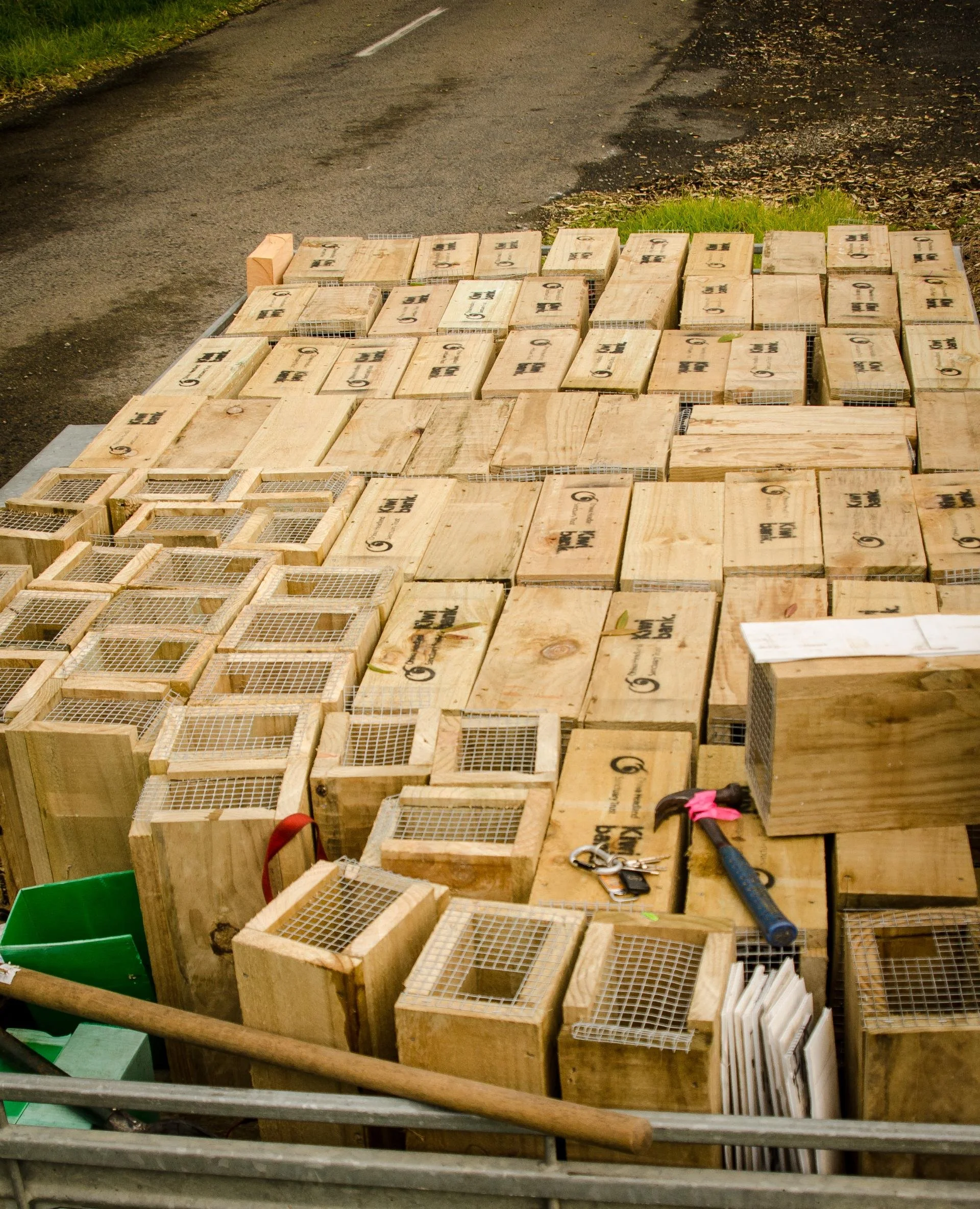
Sustained animal pest control is essential for native species to recover. The Trust maintains consistently low pest densities across a large, connected landscape to safeguard the nesting success of Threatened and At Risk species and to support long‑term ecosystem resilience.
Targeted control of high‑priority invasive plants such as woolly nightshade, ginger, and wilding pine further reduces pressure on native vegetation and prevents these species from spreading into intact habitats. Together, these actions strengthen forest health and accelerate natural regeneration across the wider area.
-
In partnership with landowners, we are working to restore native habitats through annual planting programmes. With support from our community and local schools, more than 6,000 native trees have been planted to grow native habitat, stabilise vulnerable land, and strengthen long‑term biodiversity recovery across the landscape.
-
As part of our broader catchment-scale restoration approach, we are working to support the recovery of a whio (blue duck) population found in the Waiōtahe - Te U headwaters. Whio are an indicator species of healthy rivers and streams, and our work helps safeguard this threatened species whilst improving ecological connectivity between the Ōhiwa Headland and the Waiōtahe catchment.
-
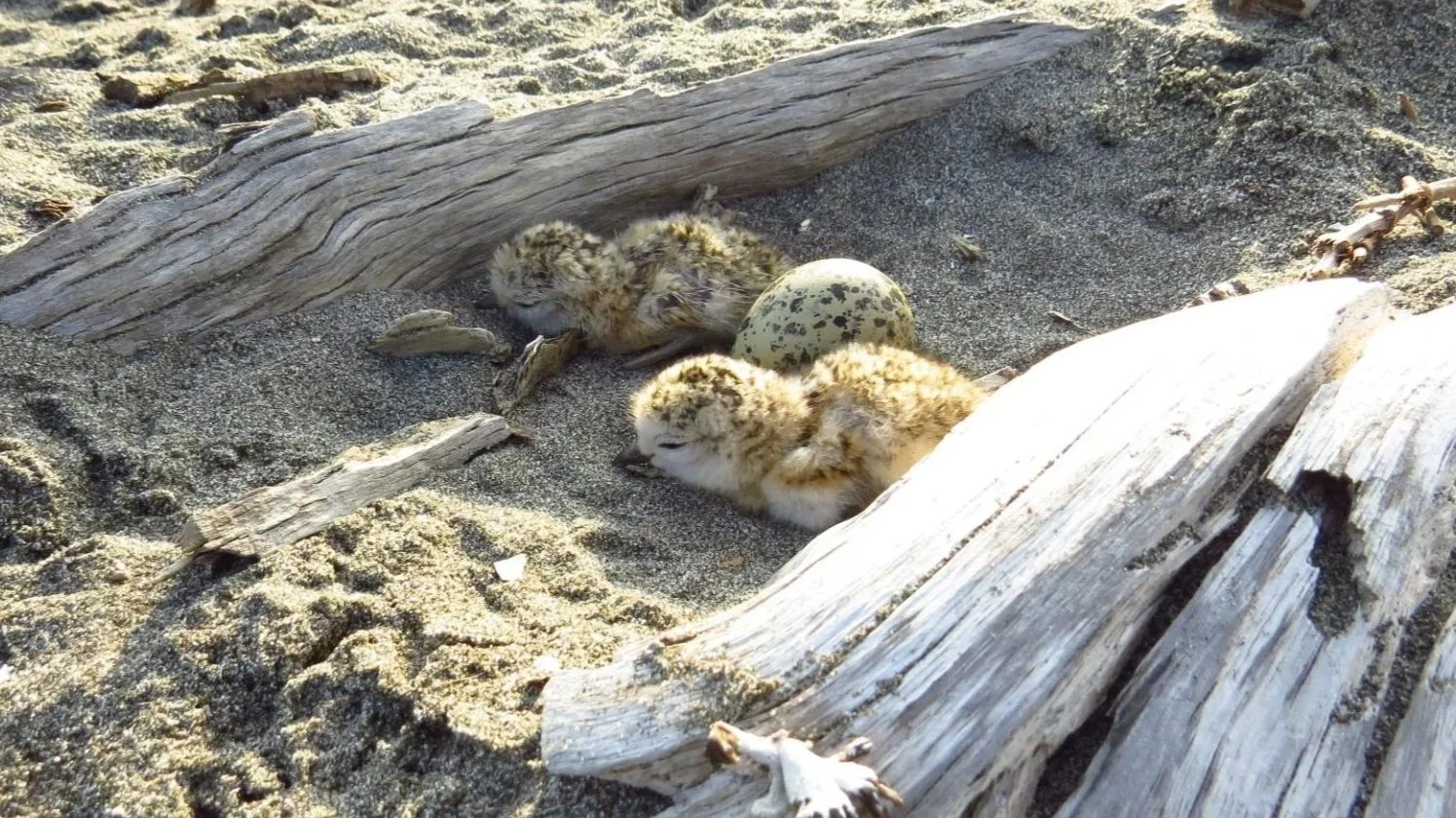
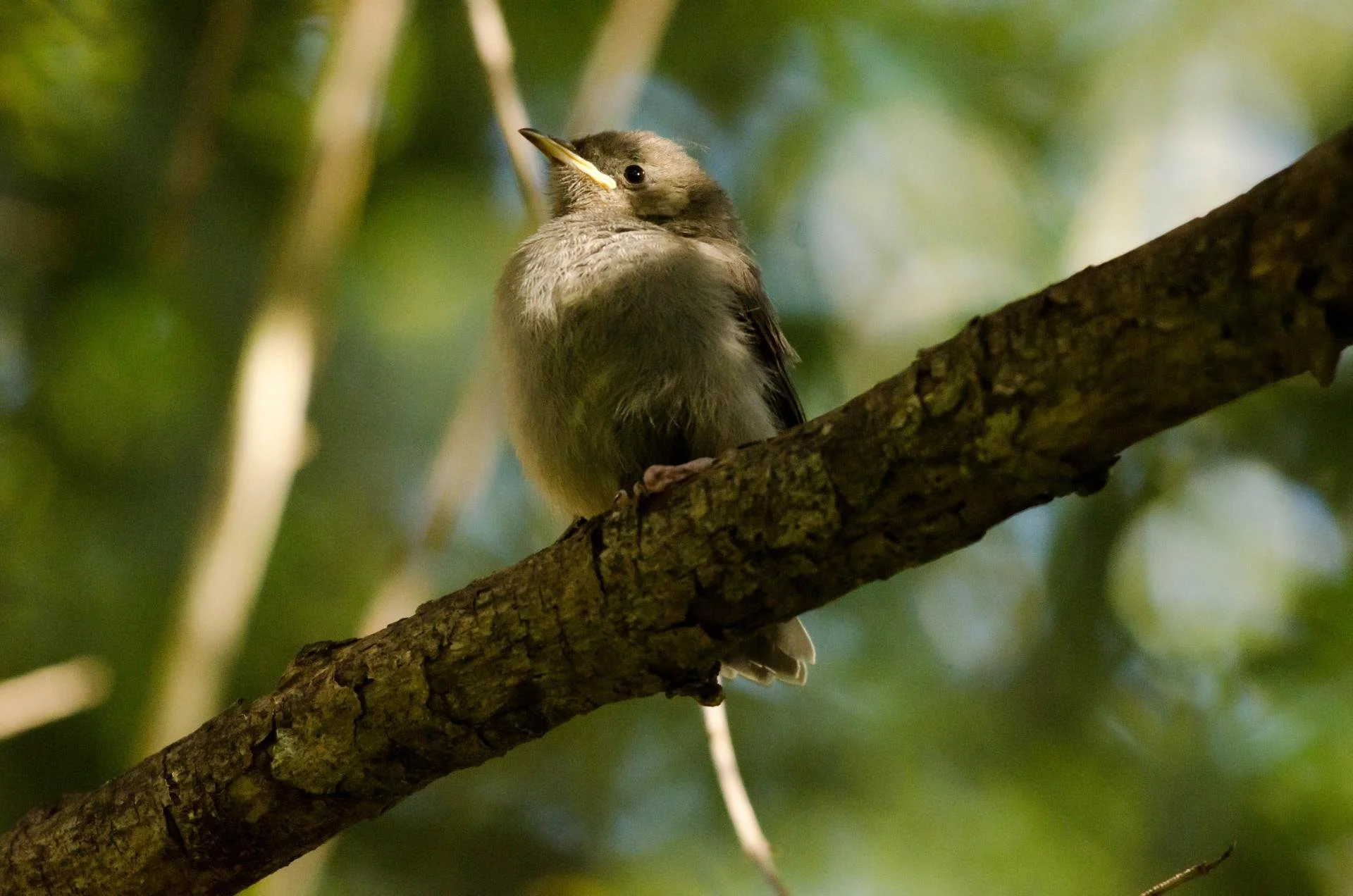
Through monitoring key indicator species such as fernbird, grey‑faced petrel, little penguin, New Zealand dotterel, and a range of forest birds, we are able to track long‑term ecological trends and assess the health of recovering habitats. This information supports adaptive management, guides decision‑making, and provides clear evidence of the effectiveness of restoration efforts across the landscape.